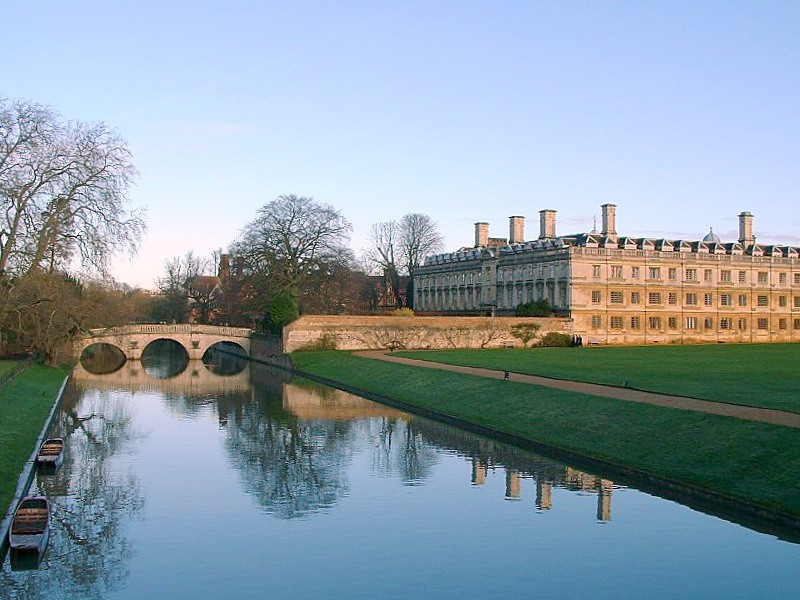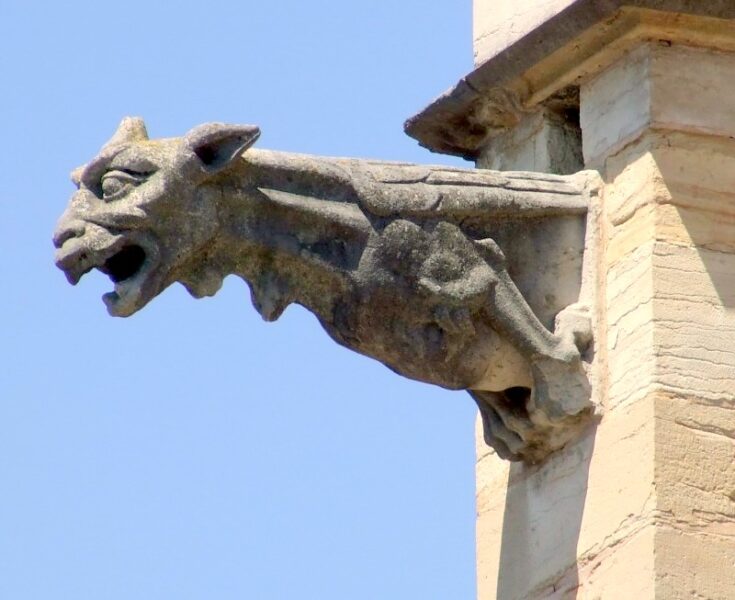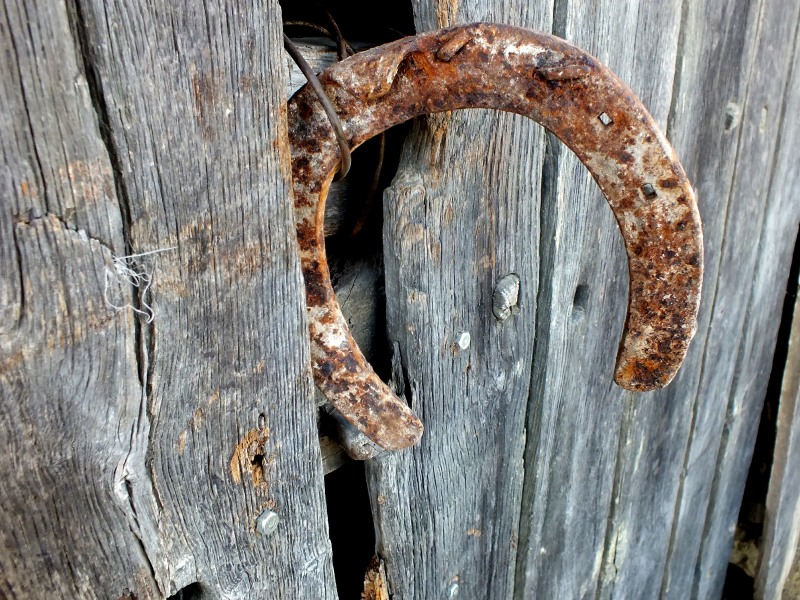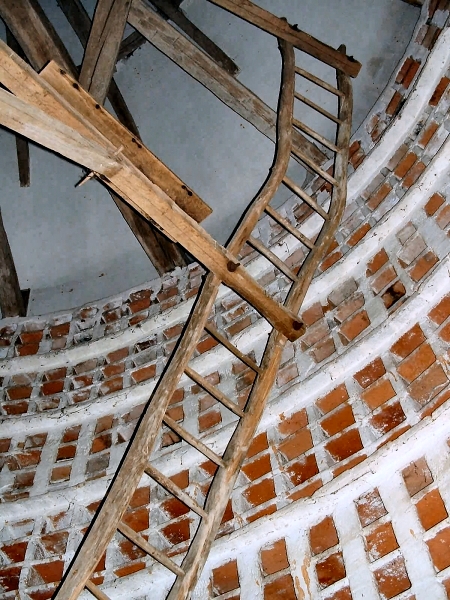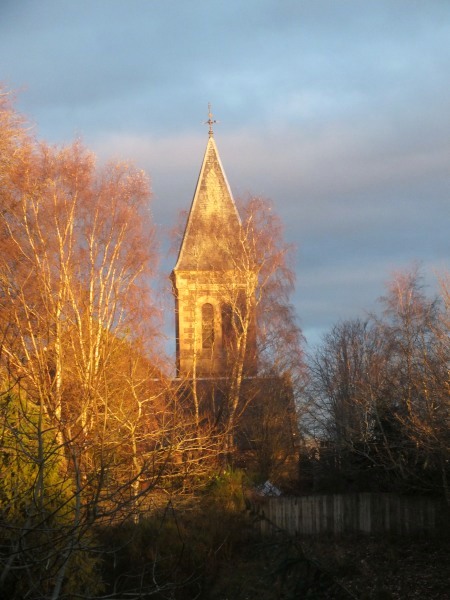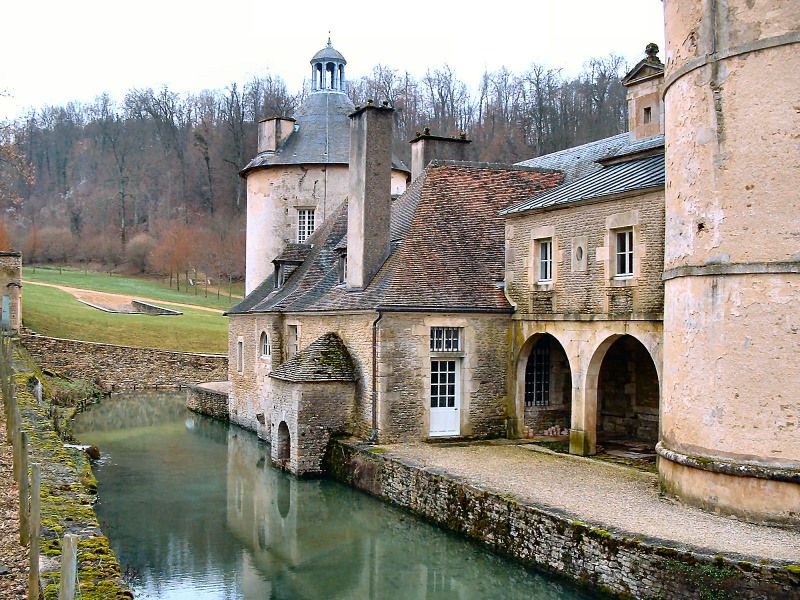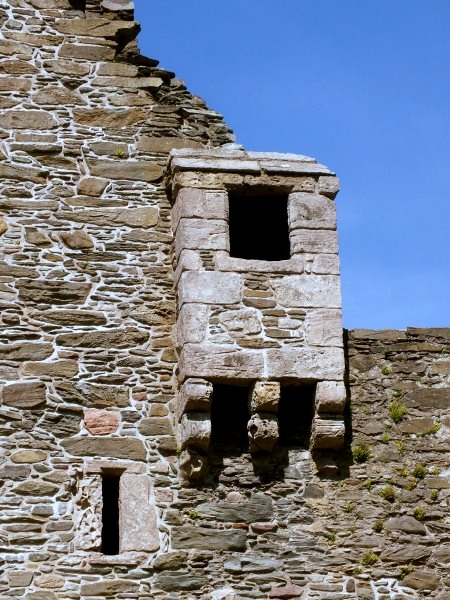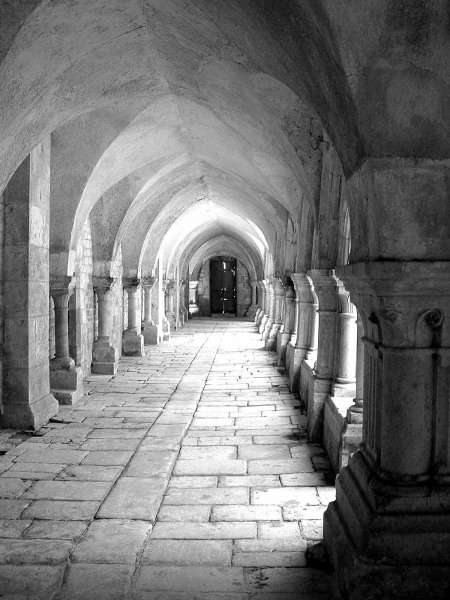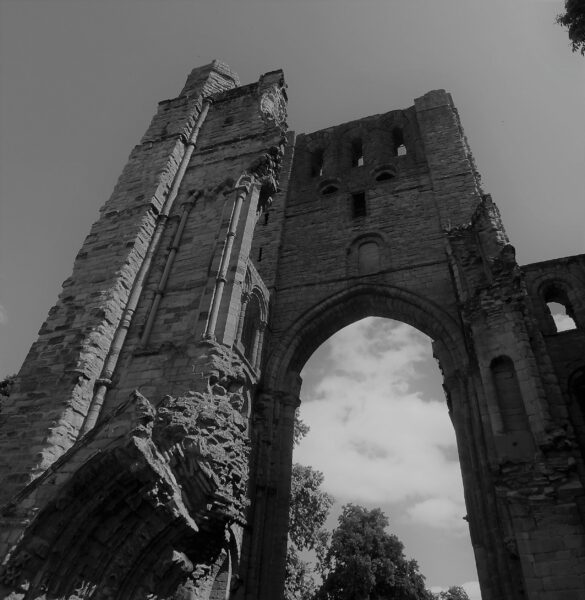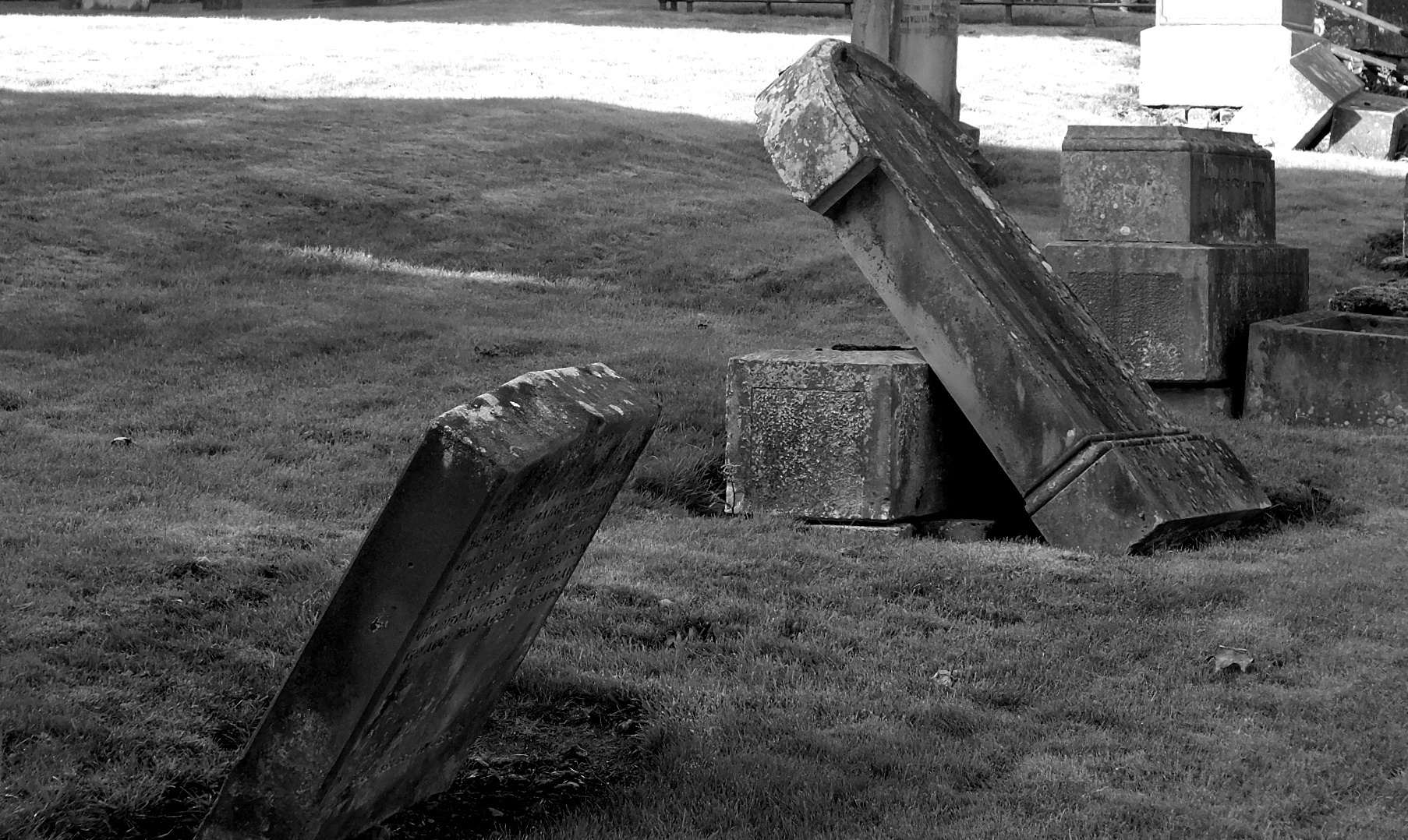
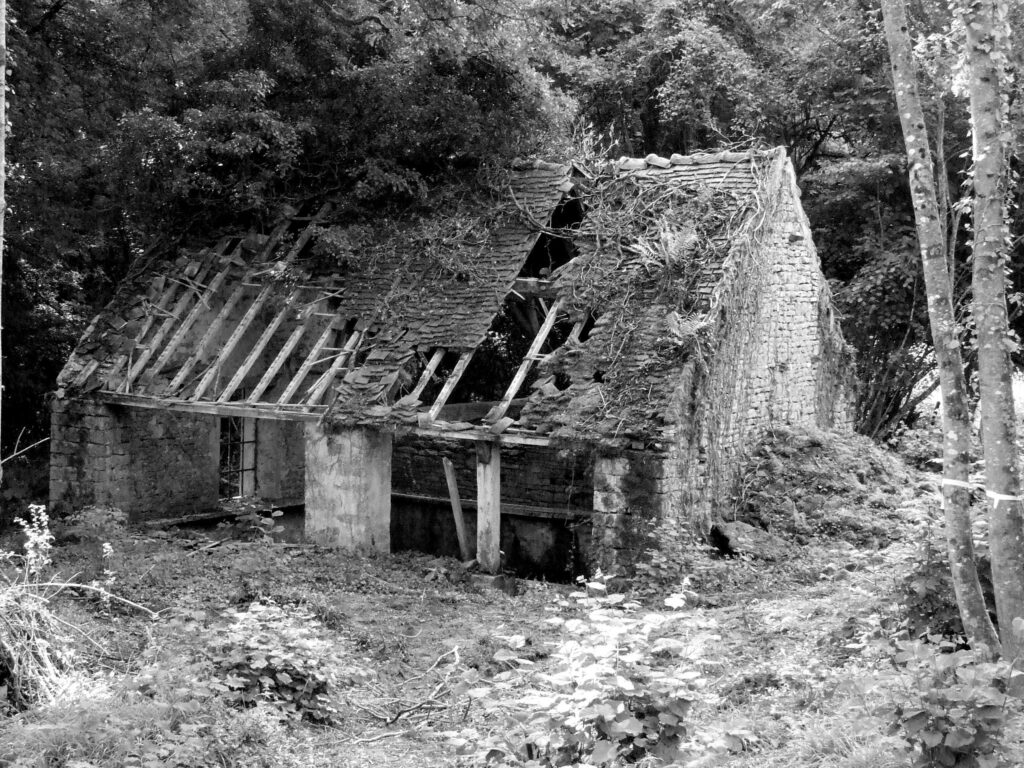
TWO OLD RUINS

Like many, my interest started with a second-hand, battered, pre-war Box Brownie. Sadly, as do most youngsters, I quickly discovered I could not afford film for it – let alone the processing costs. Very occasionally my father allowed me to use the twin-lens that had accompanied him through the war. This taught me much about exposure control, focussing, etc. but unsurprisingly I was never allowed to take it with me on my bike. Consequently, I rapidly decided schoolboy penury was forcing me to learn how to develop and print my own film. The result was that when my parents thought I was studying for ‘O’ Levels by staying after school in the library, I was more likely to be found in the dark room.
Since my principle interests were photographing aircraft or castles, it was not long before the Brownie seemed both bulky and limited in capability. I solved the former by acquiring a very basic device, the size of a small matchbox, that lived in my shirt pocket as I sought out North Welsh castles or many a hangar across the north west. Frustratingly, it required a few more years to overcome the second deficiency.
This was when my finances improved to the point where I could purchase a second-hand miniature Minolta. Although a very poor attempt at copying the James Bond Minox, it served me exceptionally well; particularly as I worked my passage to The Middle East aboard a ‘Flying Dutchman’ and then whilst alone on a motorbike in the Sinai and Negev deserts. As nobody in that part of the world could handle the film, (I loaded the tiny cartridge with off-cuts of a neighbour’s 8mm cine film), processing always had to await my return to the U.K.
Finally, at long last I graduated both from University and also to colour photography. By now, having a camera in my pocket felt as natural as my house key being there, and so not surprisingly I sought out the smallest 35mm I could find. This proved to be a Rollei B35 and much to my delight it was no more expensive than most other ‘compacts’. For several years I never went anywhere without it and the little device proved an excellent servant.
Stupidly, I then thought it was about time I acquired an SLR and thus traded it in for a Konica. Silly, silly me! The days of seeing a ‘shot’ and having it recorded in under 20 seconds were no more. Often this was because the SLR was so bulky I had not taken it with me, but even when round my neck or in the car’s glove compartment, I was lucky if I could get the apparatus uncased, focussed, exposure controlled and clicked in less than two minutes, by which time the moment was long gone. By then, all hope of taking ‘candids’ was completely forgotten.
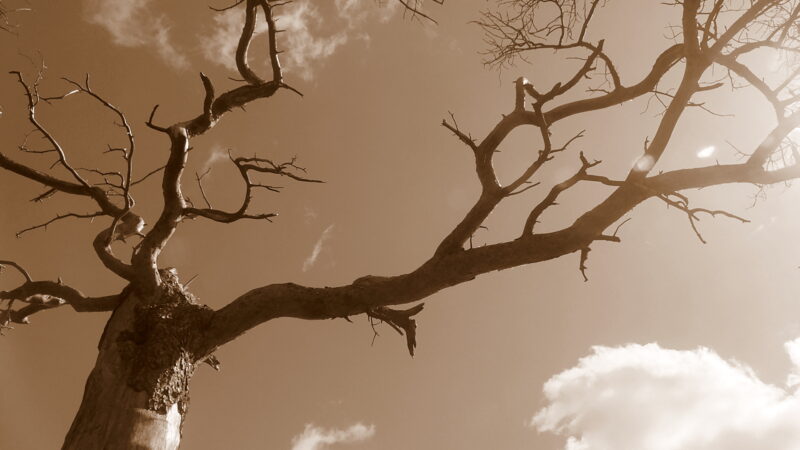
As I was now spending less and less time with a camera, unsurprisingly it was The Matriarch who became the principle snapster in the family. As she recorded family and friends, she would constantly berate me that when I did deign to take a photo, it was never of son, daughter or relations but rather some tumble down wreck, gnarled old tree or gloomy Romanesque church.
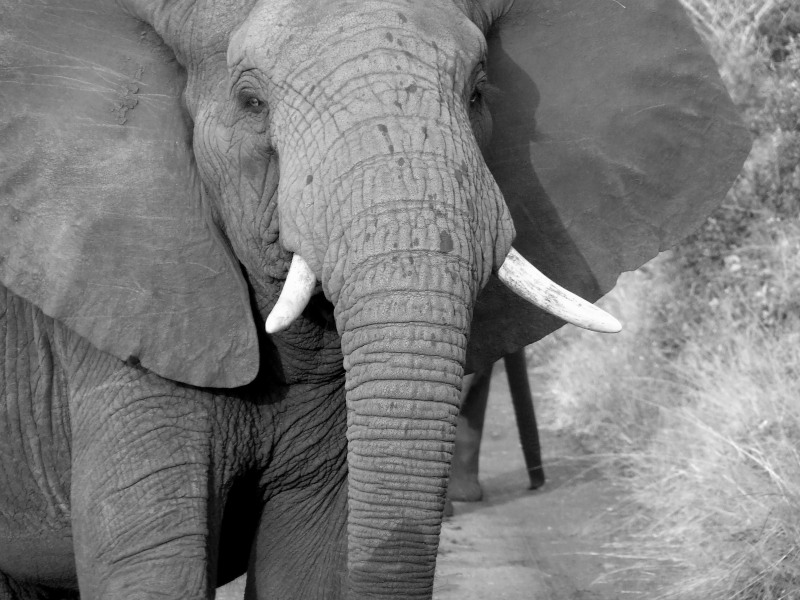
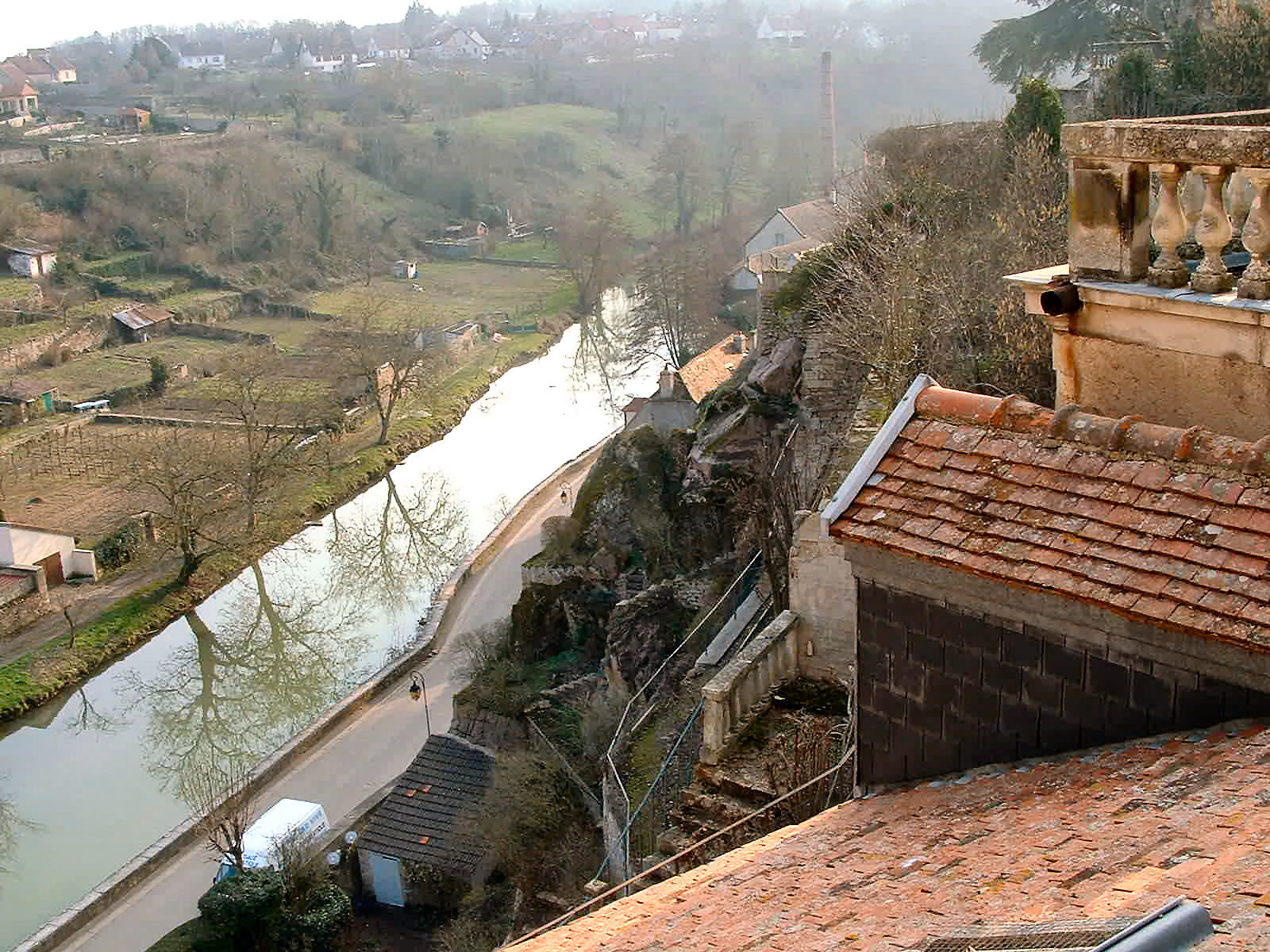
And then came digital! Hurrah! Hurrah! Triple Hurrah!!! As somebody who worked with computers, I leapt at the chance of using a system which redefined the way I could approach photography. Gone were the days when, if I was particularly lucky and on form, I would have six good photos and six more I could live with from a 36-shot Fujicolor cassette; but still be unable to manipulate those I was keeping since I had neither facilities nor skills to process colour. Now I could discard 95% of my images at no cost and enhance those I was retaining with just a few clicks of a mouse. In particular, since I have never lost my early love for black and white, I can turn any bland image with unremarkable hues into what I regard as a striking monochrome.
I leave you to decide if this new found freedom of expression with digital photography has been for the best!